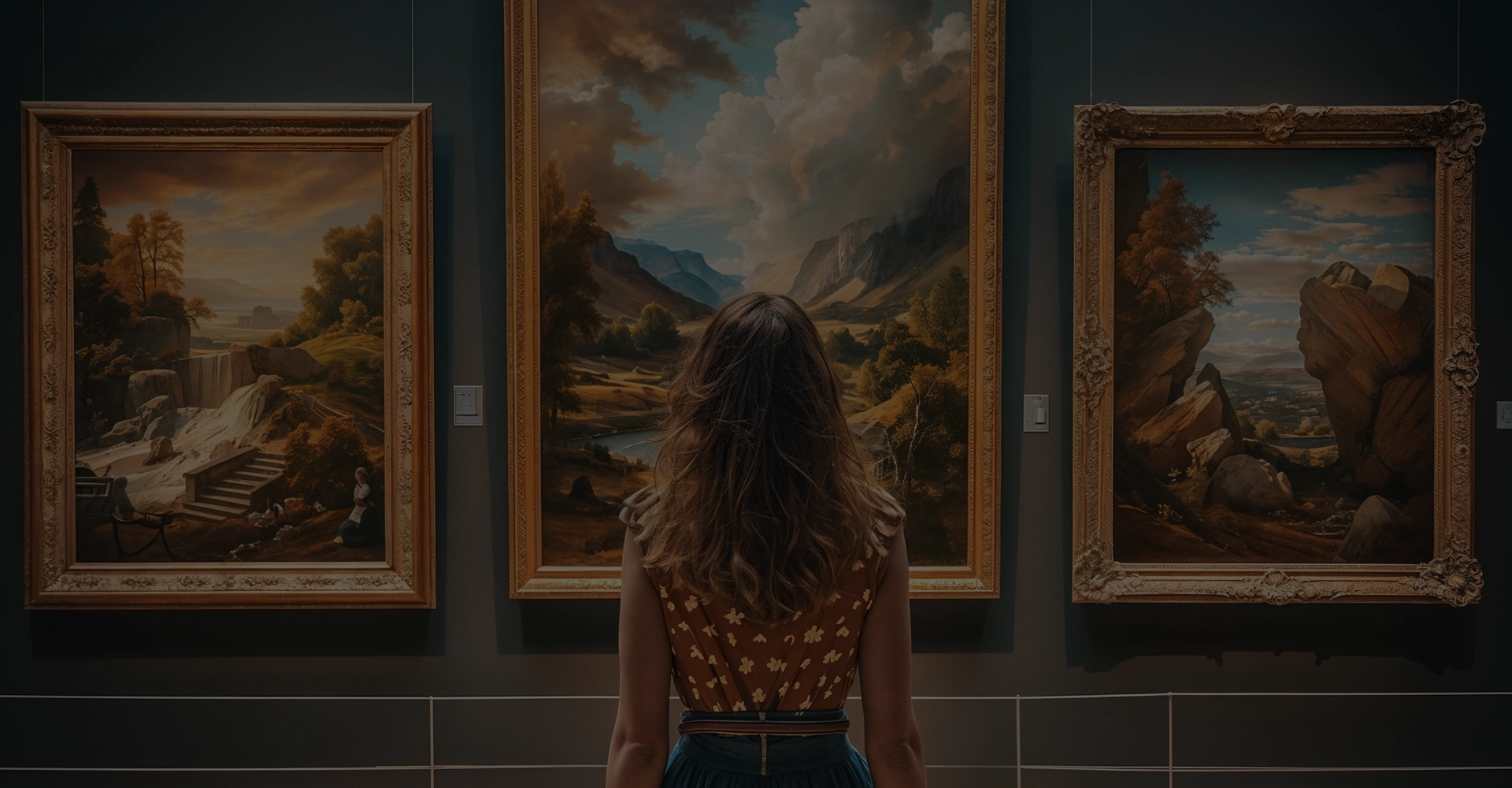
Exploration of the global history and diversity of visual arts
Visual culture chronicles human creativity, charting forms across civilizations. It explores how fine arts reflect societal values, craftsmanship, and cultural aesthetics from antiquity to contemporary times.

Timeline of eras and stylistic movements shaping art
Chronological analysis reveals how historical periods influenced creativity, defining canonical masterpieces.

Renaissance art: classical revival and humanist philosophy

Impressionist style: capturing fleeting light and plein air scenes

Cubist abstraction: deconstructing geometric forms and multiple viewpoints

Museum collections and preserving global cultural heritage
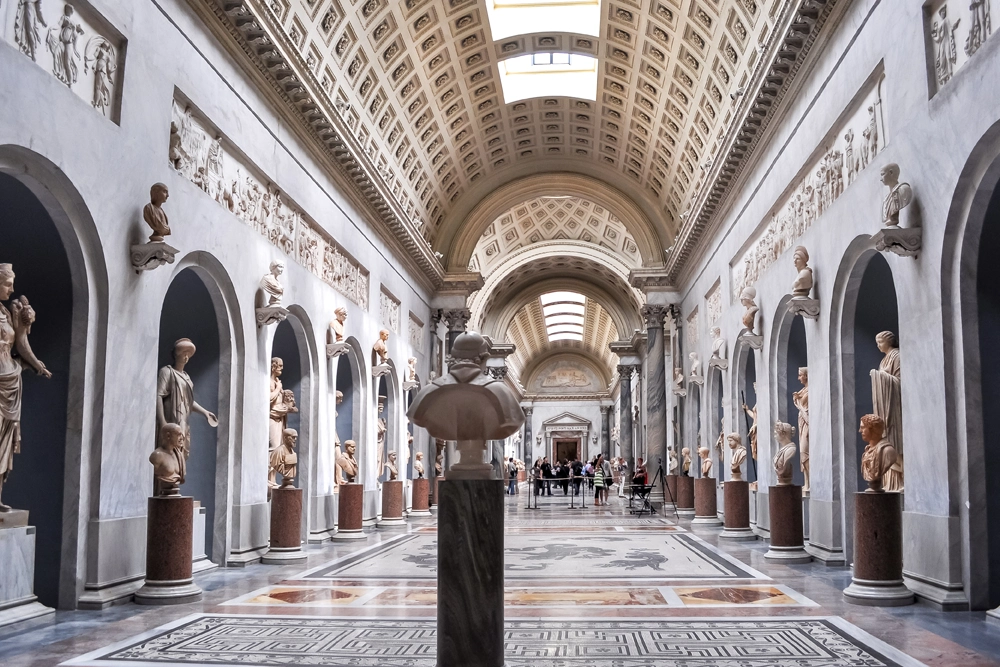
Fine art galleries are crucial for artifact conservation. Through expert curation, they present permanent collections in context. Restoration labs protect antiquities, safeguarding heritage. Curatorial research produces retrospective exhibitions providing insights into an artist’s complete body of work.
The intersection of visual arts with global traditions
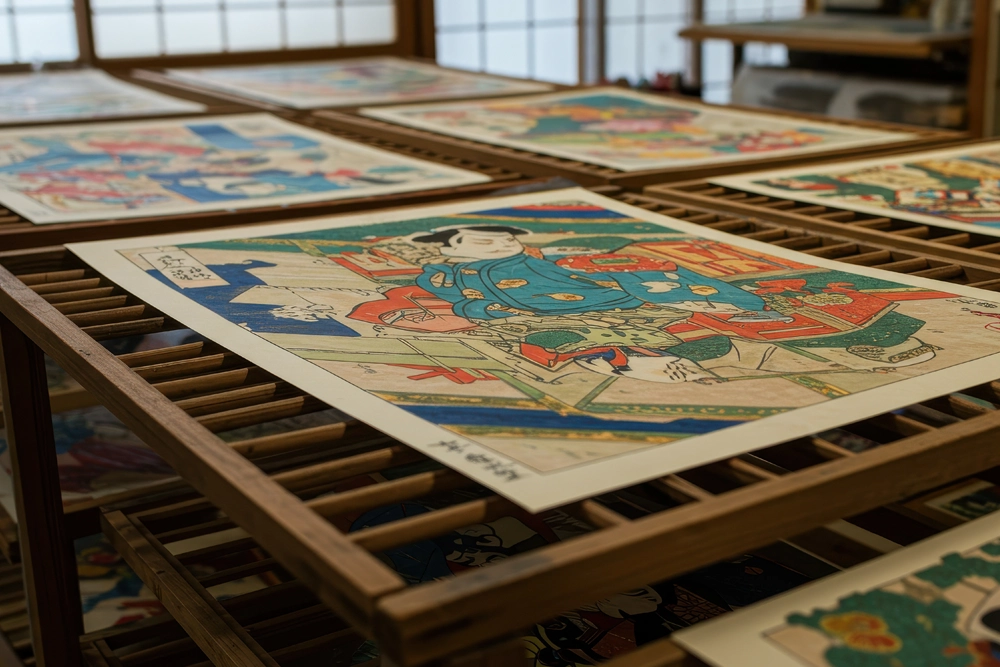
Visual culture expresses identity, embodying beliefs. Western naturalism contrasts with the symbolic abstraction of African masks or spiritual harmony in Asian ink wash. Eastern iconography, like Japanese woodblock prints, offers distinct aesthetic systems reflecting unique philosophies.
Technical approaches to fine art painting
Mastering artistic mediums allows realizing a vision, utilizing brushwork, color theory, and pigment density.
Classical mediums and traditional techniques
Old Master methods shaped art history. Oil glazing, egg tempera, and buon fresco create lasting works. Botanical watercolor and opaque gouache offer transparency, ideal for delicate compositions. These foundational skills remain central to academic training and figurative art.
Modern media and experimental techniques
Evolving synthetic media introduced new methods. Acrylic polymer dries fast on mixed media, while hot wax encaustic and soft pastel create texture. Contemporary practitioners explore digital painting and multimedia installation to push boundaries, generating avant-garde and original works.
Social realism and art for civic awareness
Socially engaged art transcends aesthetics to become a vehicle for political discourse. It allows creatives to denounce injustice, raising societal awareness of environmental causes. Each protest piece challenges norms or celebrates identities. Understanding activism in art means grasping creative expression as civic mobilization.
Seminal masterpieces defining art history
Seminal masterpieces transcend time, influencing artistic lineage. From Da Vinci’s High Renaissance portrait, engaging viewers, to Van Gogh’s Post-Impressionist landscape revolutionizing color theory, these artifacts left an indelible mark on visual heritage.
The Mona Lisa: High Renaissance Portrait
Da Vinci’s portrait fascinates with its sfumato technique and atmospheric perspective.
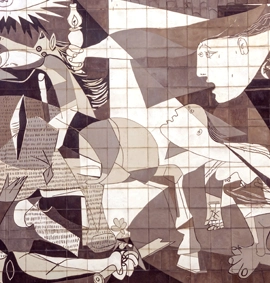
Guernica: Anti-war mural
Picasso’s large-scale mural denounces war horrors, remaining a symbol of pacifist resistance.
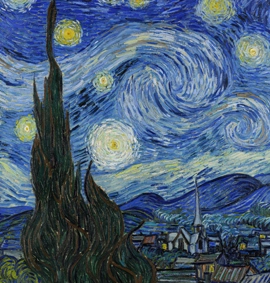
The Starry Night: Post-Impressionist oil
Van Gogh expresses inner turmoil through impasto brushwork and a turbulent sky.
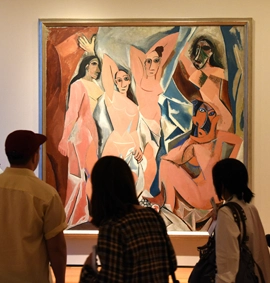
Les Demoiselles d'Avignon: Proto-Cubism
This canvas marks a radical shift in geometric abstraction and the dawn of Cubism.
Art historical influence on contemporary practice
Classical heritage provides a foundation for modernists, who reference past iconography. This dialogue allows reinterpretation of visual tropes and adapting ancient methods. Understanding art historiography enriches curatorial studies, revealing a continuous narrative of stylistic evolution and cultural criticism.